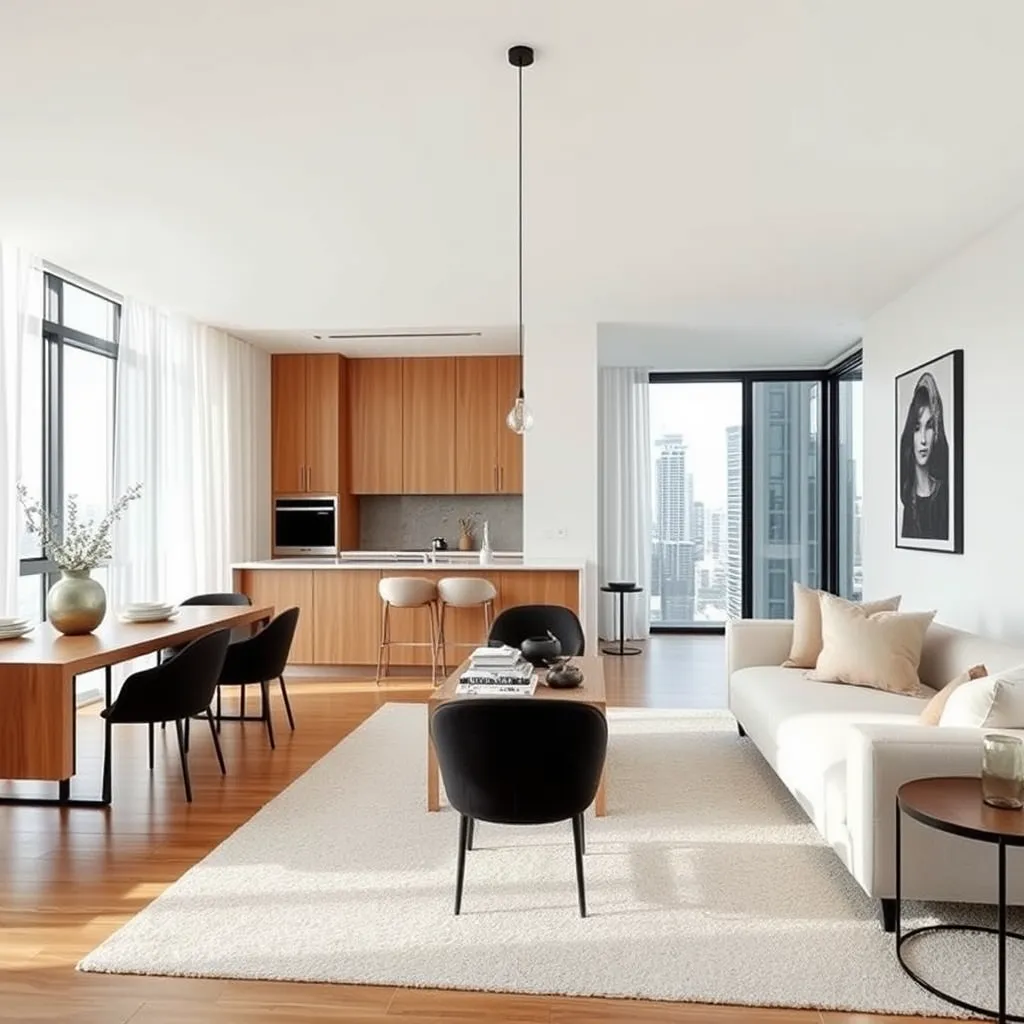
Created with AI
„The key is light and shade, and also colour. It is the combination of these three that awakens emotion.“ – Le Corbusier
Few quotes capture the psychology of interiors quite as beautifully as this one. Light, shadow and colour work quietly in the background, yet they shape how a space feels on a deeply emotional level. Colour especially has always fascinated me. Not just for how it looks, but for the atmosphere it creates. It can set the mood without saying a word.
Lately I’ve found myself paying more attention to this. The more I observe it, the more I realise that colour is one of the quiet forces behind how we experience a room.
There’s something incredibly subtle about the way colour works. A soft beige wall can instantly make a space feel warm and grounding, while a cool grey can bring in a sense of calm and stillness. Even the tiniest shift in tone, say from terracotta to rust, can completely change how a room breathes. I’ve started to notice how these details affect my own mood throughout the day.
What really stood out to me in my recent research is that colour isn’t just about aesthetic, it’s deeply emotional. Certain tones seem to slow things down, others lift the energy. A splash of muted yellow near my desk has made mornings feel a little brighter. Meanwhile I keep gravitating toward olive greens and natural neutrals at home because they make everything feel grounded, soft and balanced.
One thing I’ve learned is how important it is to create balance. Bold tones can be beautiful, but they rarely need to stand alone. I love the way a deep shade comes to life next to soft textures or pale light. It’s often the quieter pairings, the dialogue between contrast and calm, that make a space feel whole.
Even something as simple as a vase of flowers can shift everything. I remember placing a bouquet of soft orange and green stems in the living room and feeling how the space suddenly felt more alive. It reminded me that colour doesn’t need to come through paint or furniture, it can be fleeting, natural and still have impact.
Colour is more than visual. It’s a feeling, a presence that quietly shapes how we live in our spaces. And the more intentional I become with it, the more connected I feel to the rooms around me.
Because beautiful spaces don’t just change how a home looks, they quietly shape how we feel.